What To Know About Altering and Dry Cleaning Your Wedding Dress in Singapore
Picking your dress is only half the journey. Once it's chosen, two questions almost every bride asks next are: what can be altered, and what happens to the dress after the wedding. Both matter more than they seem, and getting them wrong can mean extra cost or a dress that doesn't fit quite right on the day. Here's what close to a decade of alterations at Frieda Brides have taught us.
What can be altered for wedding dresses?
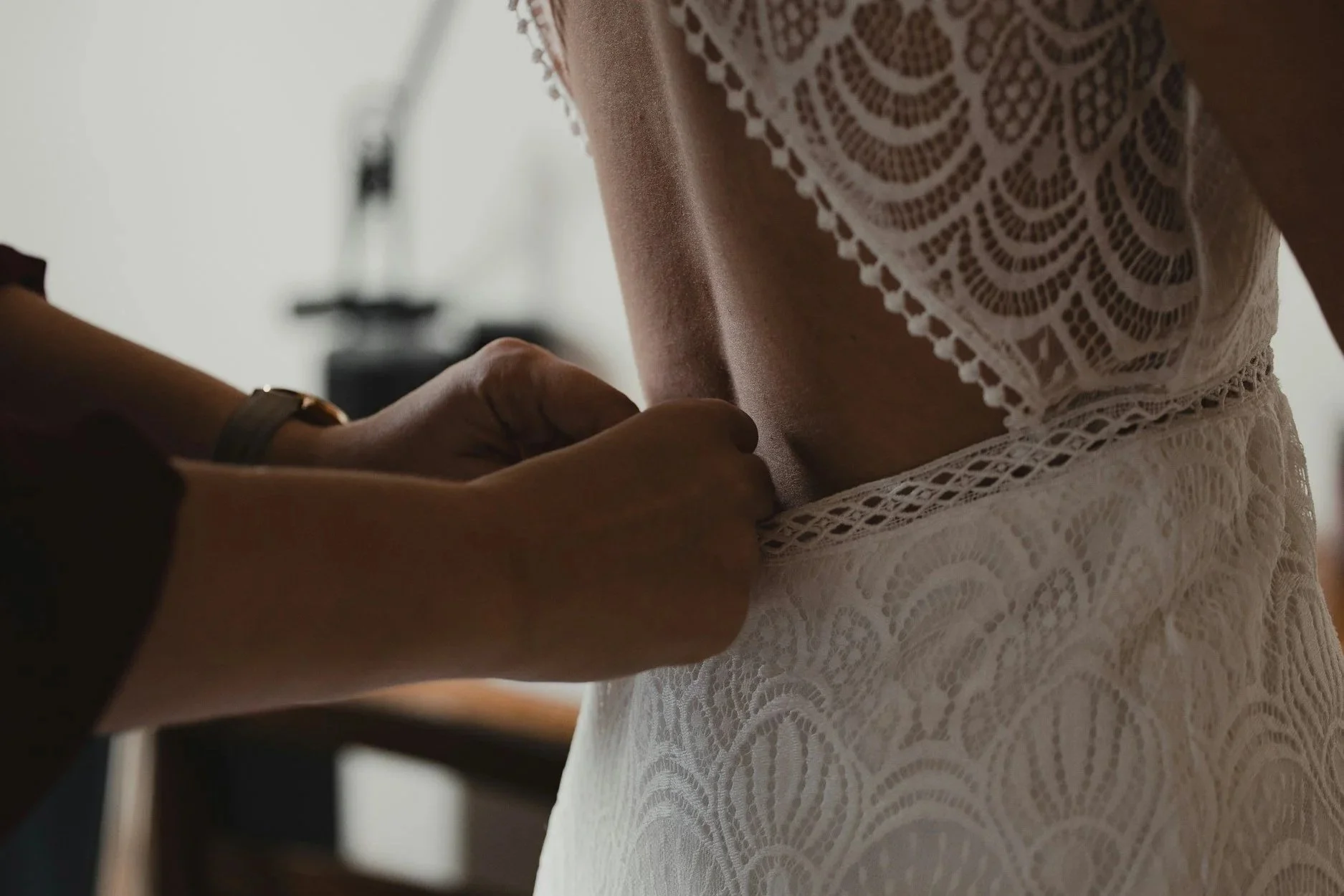
Most bridal boutiques have in-house seamstresses to help with this. Whether you're purchasing or renting a designer gown, the basic alterations available are:
Altering the length
Taking in the side seams
Minor additions, like adding sleeves, extra bust cups, or a bustle
One thing to note: some rental studios don't allow length alterations on certain dresses, or at all. It's best to check this clearly before you commit to a gown, especially if you're petite or tall.
How long will alterations take? What to bring to an alteration session?
Alterations should start 2 to 3 weeks before your wedding date, and shouldn't take longer than this. Doing alterations closer to the actual date helps make sure the fit is accurate to your body at the time of the wedding, not months before.
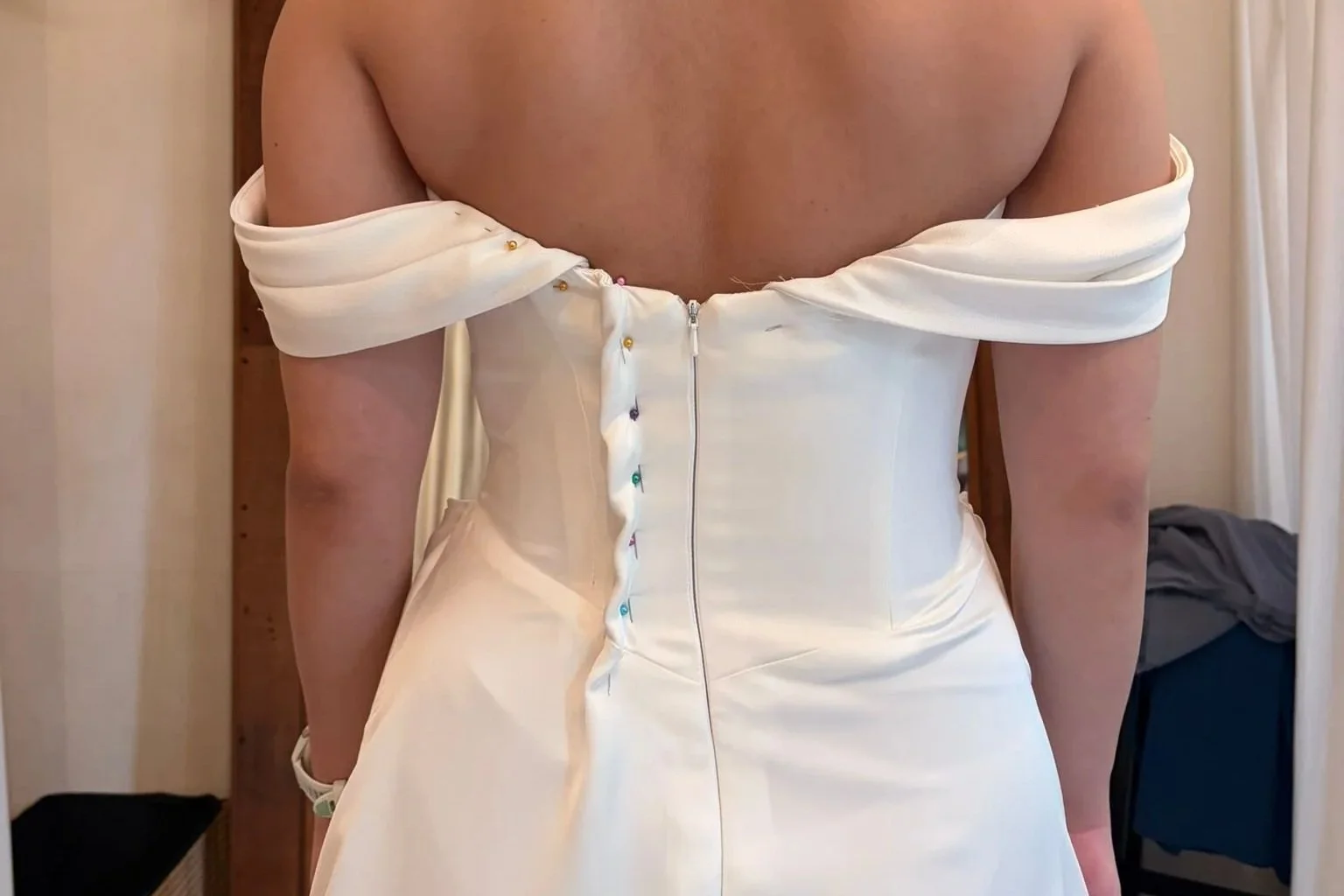
After your first fitting session, you'll usually come back about a week later to check the fit. Later sessions can be planned from there. Every studio's process is a little different — at Frieda Brides, alterations are done over 2 to 3 sessions.
Shoes and any undergarments you intend to wear with your gown on the day need to be present at the fitting to ensure the right alterations can be made. Having these on hand at your fitting matters — they affect how the dress hangs and fits, and bringing them along helps keep your alteration timeline smooth. Set a reminder on getting these items in time for fitting sessions.
How much do alterations cost?
For rental dresses, alterations are usually already included in the rental price, but it's worth confirming this with your studio directly. For general wedding gown alterations, set aside around $300. This can go up if the dress is more complex — more layers, more detailing — compared to a simple, minimalist design.
Bigger changes can also cost more, such as:
Altering the neckline shape
Expanding the dress beyond its original size
Repeated alteration sessions may also come with additional charges. It's worth asking your studio upfront how many sessions are included before extra fees apply.
How to maintain your dress after your wedding day
If you've purchased your dress and get to bring her home, it's best to send her for dry cleaning soon after the wedding, before stains have a chance to set in. The safest option is to bring it back to the bridal studio you bought it from, since they already know the dress.
If you bought your dress from an online retailer, look for a trusted dry cleaner with real experience handling wedding gowns. This matters even more for dresses with intricate beading, or fabrics like silk that need gentler care.
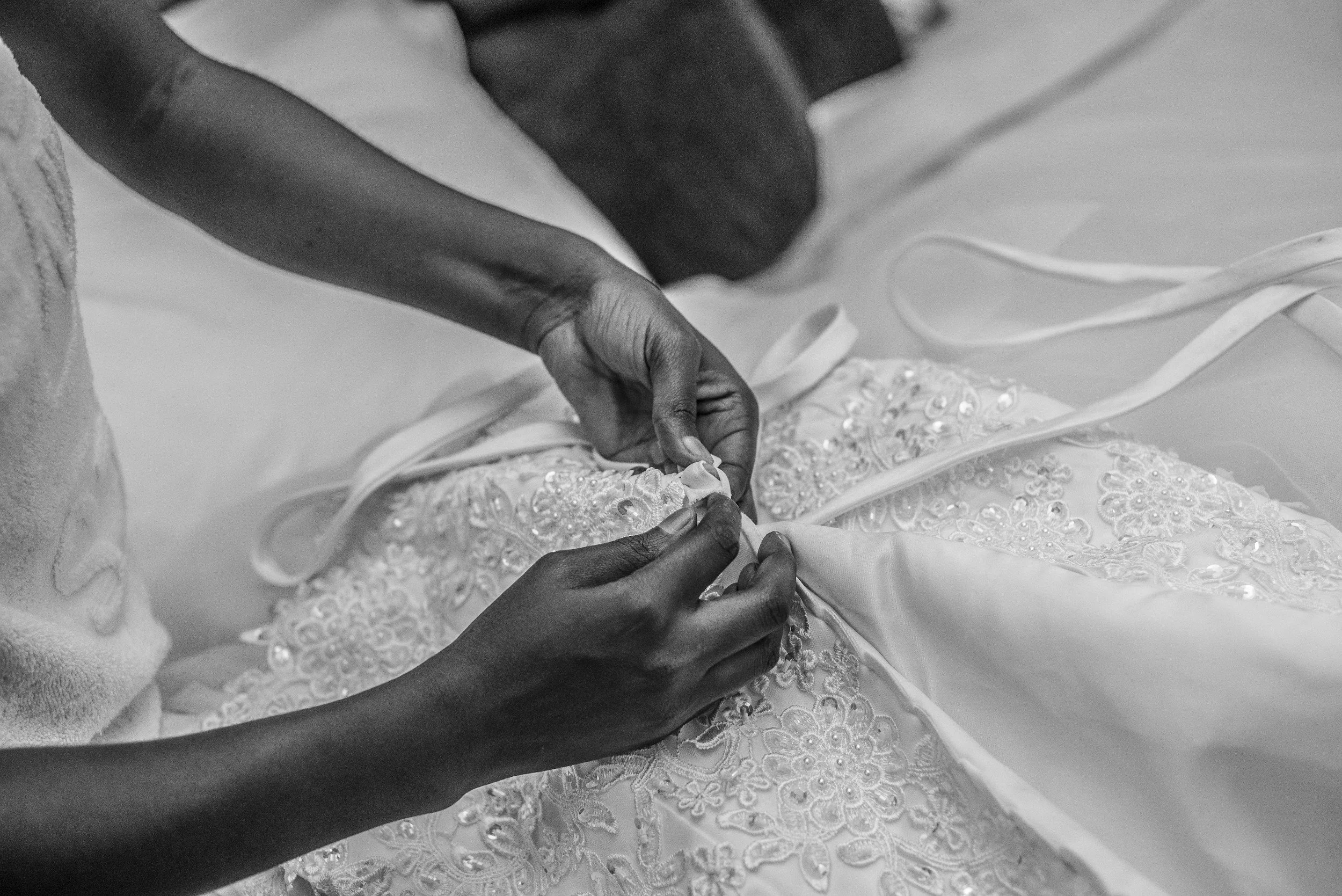
For rental dresses, you don't need to worry about this part at all — the studio has a trusted dry cleaner they work with regularly, and the cleaning is handled entirely on their end.
If you're keeping your dress as a keepsake, it's worth asking your cleaner about preservation packaging after the clean. This usually means acid-free, breathable storage, rather than a sealed plastic bag, which can trap moisture and cause yellowing over the years. This step isn't needed for rental dresses, since they go back to the studio rather than into storage at home.
In short
Alterations and dry cleaning are two of the easiest things to overlook when picking a wedding dress, but they can affect both your final fit and your final cost. Ask your studio early about what's included, what isn't, and what their process looks like — it'll save you surprises closer to the big day.
If you're not sure what your dress will need, we're happy to walk you through it at your fitting with us at Frieda Brides.